

Gaming PCs vs. Laptops: Which Future-Proofs Better?
By Andrew E., XOTIC PC
As technology rapidly evolves, selecting the best gaming setup becomes a paramount consideration for both casual and serious gamers alike. The debate between gaming PCs and laptops centers around future-proofing, upgradeability, and performance longevity. This article explores the advantages of each system, helping readers make an informed choice that aligns with their gaming habits and technological needs. Many gamers grapple with the urgency of transitioning to higher performance hardware without frequent replacements. Here, we compare gaming PCs and laptops, focusing on their capabilities to adapt and thrive in the ever-changing landscape of gaming technology. This discussion includes considerations of upgrade paths, cost-effectiveness, and emerging hardware trends to watch in 2026.
Gaming PCs vs. Gaming Laptops: Future-Proofing Potential in 2026
The landscape of gaming technology is shifting as we approach 2026, emphasizing the need for systems that can adapt to new advancements. Both gaming PCs and laptops have unique potential for future-proofing, depending on their design and component upgrade options. The continuous evolution of hardware requires consideration of how well each system can accommodate new technologies without necessitating a complete overhaul. Notably, various factors such as upgradeability, longevity, and cost-effective performance come into play.
Upgradeability:
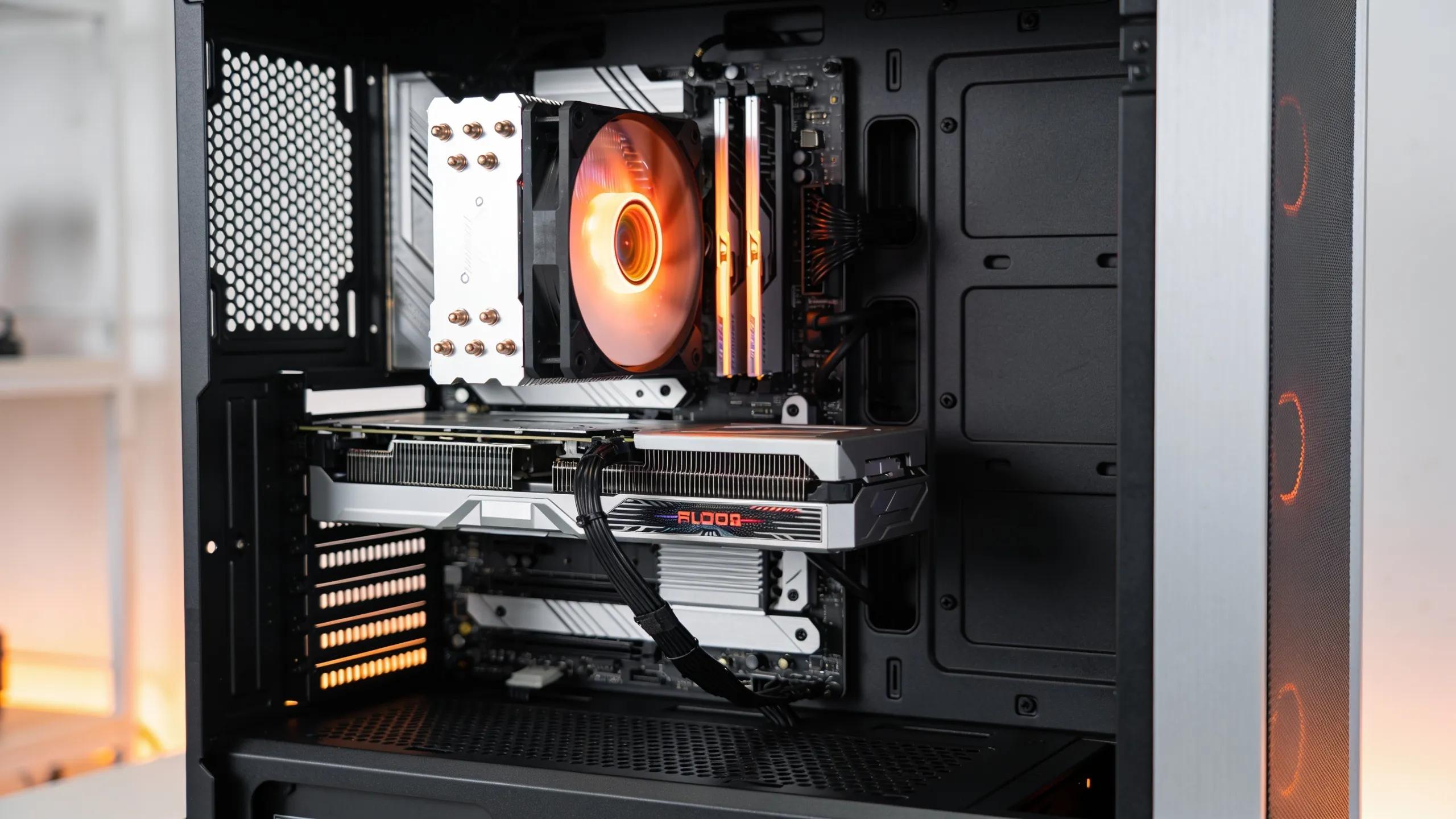
Upgradeability is a significant factor distinguishing gaming PCs from gaming laptops. Gaming PCs typically allow for easy component upgrades—such as swapping out GPUs, CPUs, and RAM—ensuring they can evolve alongside technological advancements. In contrast, most gaming laptops come with soldered components or limited upgrade options. While some high-end models offer RAM or storage upgrades, the capacity for hardware modifications remains limited compared to their desktop counterparts. This flexibility in PCs means users can maintain the performance of their systems longer, effectively future-proofing them against rapidly changing gaming standards.
Performance Longevity:
The longevity of gaming performance is crucial for gamers who prioritize high frame rates and graphics quality. Gaming PCs often utilize high-performance components designed for extended use, whereas laptops may face thermal constraints limiting their performance over time. Power management features in laptops can reduce their capability under strain, making consistent high performance harder to achieve. This contrast signifies the potential for gaming PCs to sustain peak performance levels throughout their functional lifespan, complementing components that are easily replaceable as the market evolves.
Cost-Effectiveness:
Financial implications play a pivotal role in selecting between a gaming PC and a laptop. Generally, while gaming laptops might offer upfront convenience, the long-term costs can be higher due to limited upgradeability and repair options. High-performance gaming desktops, on the other hand, provide more competitive price-to-performance ratios. Users can tailor their PC setups gradually, eliminating the need for costly replacements. An analysis of initial investments versus potential longevity reveals that gaming PCs may offer superior overall value, especially for dedicated gamers seeking to get the most out of their tech investments.
System Type |
Initial Investment |
Upgrade Potential |
Long-Term Cost |
|---|---|---|---|
Gaming PCs |
Higher initial cost but customizable |
High |
Lower due to upgrade options |
Gaming Laptops |
Generally lower initial price |
Limited |
Higher due to lack of upgrades |
In summary, while gaming laptops bring convenience, the strategic investment in a gaming PC ultimately leads to greater cost-effectiveness over time by affording gamers options for upgrades.
Trends in Hardware for 2026
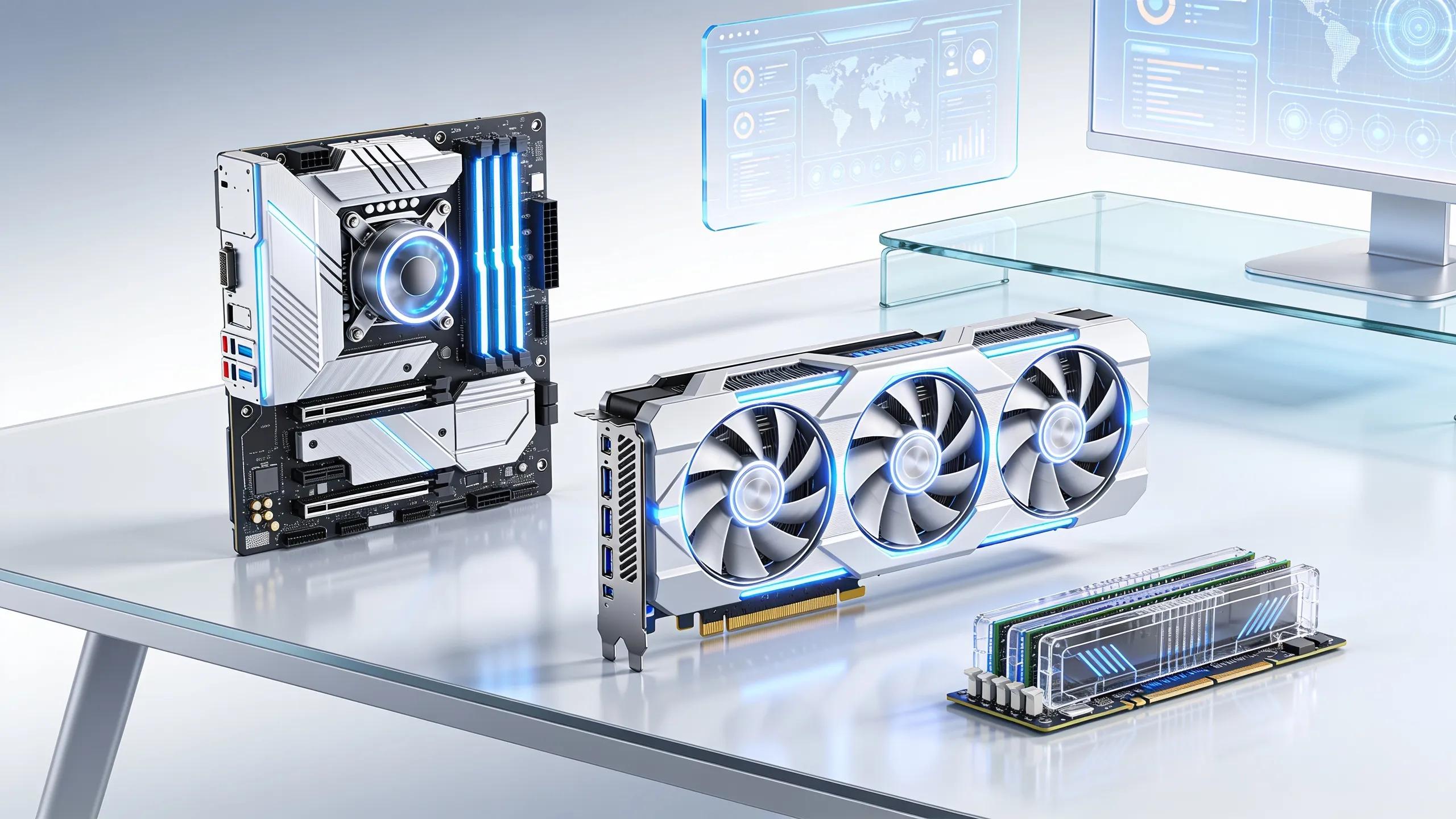
As gaming technology progresses, several hardware trends are set to redefine the gaming experience by 2026. Innovations in graphics processing, memory technologies, and modularity within components are some avenues spurring change. Notably, advancements in DDR5 RAM technology and modular GPU systems will significantly enhance upgrade potential. Such shifts empower users to extend the usable life of their systems by integrating high-performance components well into the future. Furthermore, with the growing popularity of VR/AR technologies, systems that are optimized for these experiences will become crucial for gamers seeking immersive environments.
What Makes Gaming PCs More Future Proof Than Laptops?
Gaming PCs exhibit a myriad of characteristics that position them as more future-proof options compared to laptops. First and foremost is the flexibility in hardware customization, allowing users to adapt their systems based on emerging technologies and personal gaming requirements. This adaptability fosters longevity and relevance in performance. Additionally, the ability to overclock components or integrate new technologies often absent in laptops provides a substantial edge in performance sustainability. Lastly, concerning environmental impact and electronic waste, the capacity to replace individual parts rather than entire systems aligns with sustainability practices that are becoming increasingly vital.
How Does Upgradeability Drive Long-Term Performance?
A significant factor in the sustained performance of gaming systems lies in their ability to upgrade components. Here, gaming PCs shine, allowing for regular updates of CPUs, GPUs, and storage as technology advances. Regular upgrades prevent performance stagnation and ensure the system remains capable of running the latest games. Without this flexibility, laptops face the risk of deterioration in their gaming capability as new titles demand higher resources. Understanding this relationship between upgradeability and long-term performance helps inform consumer choices as they invest in their gaming future.
Why Are Custom Gaming PC Builds the Ultimate Powerhouses?
Custom gaming PC builds offer unparalleled performance tailored specifically to user preferences. Gamers can choose components optimized for their specific gaming genres or workloads, whether that be high-resolution gaming, content creation, or streaming. These tailored builds allow for enhanced graphics, faster processing, and superior cooling solutions, making them exceptional powerhouses. Additionally, the consultative nature of companies like XOTIC PC ensures that gamers can access expertly designed build options that suit their needs, further enhancing their gaming experiences and ensuring maximum longevity.
Can Gaming Laptops Match Desktop Durability and Longevity?
While gaming laptops have improved their construction quality over the years, they often still lag behind the durability of gaming desktops. Desktops benefit from robust components designed for longevity and heat dissipation, important for maintaining high performance during extended sessions. Furthermore, repairability tends to be more viable in desktops, allowing for individual component replacements, thereby extending the system's overall life. For gamers seeking a device that remains sturdy and reliable, desktops continue to be the preferred choice.
What Are the Limits of Gaming Laptop Upgradeability?
The upgrade options for gaming laptops are starkly limited compared to desktop PCs. While users can often upgrade RAM and storage, critical components such as the CPU and GPU are typically soldered to the motherboard, making replacements virtually impossible. This limitation results in a shorter functional lifespan for gaming laptops as newer games are released and performance demands increase. Moreover, the implications of potential obsolescence can deter dedicated gamers from investing heavily in laptops, particularly as they consider long-term usage.
How Does Portability Impact Future Proofing for Gamers?
Portability is a double-edged sword in the gaming debate. While gaming laptops offer convenience and mobility, this often comes at the cost of performance and upgradeability. Gamers who travel frequently may lean toward laptops for ease of transport; however, this choice may hinder their ability to maintain a top-tier gaming experience in the long run. For serious gamers, the benefits of having a powerful, stationary system that can be customized outweigh the perks of portability, thereby emphasizing the importance of choosing the right system based on actual usage needs.
Which 2026 Hardware Trends Will Shape Future Proof Gaming Builds?
Looking forward, several hardware trends are anticipated to revolutionize gaming setups by 2026. Emerging technologies aimed at enhancing performance will dominate, particularly advancements in graphical fidelity and processing capabilities. Among these trends are AI-enhanced gaming experiences, which leverage machine learning to improve gameplay dynamics and environmental interactions. As these innovations manifest, both gaming PCs and laptops will need to adapt swiftly to remain competitive. Notably, the quest for real-time ray tracing and support for increasingly complex textures will require both systems to evolve.
How Do DDR5 RAM and Modular GPU Technologies Boost Upgrade Potential?
The introduction of DDR5 RAM and modular GPU technologies significantly enhances the potential for future-proofing gaming systems. DDR5 RAM offers faster speeds and increased bandwidth, improving data transfer rates and overall performance in memory-intensive applications. Modular GPUs allow users to upgrade their graphics without replacing entire systems, making it feasible to keep up with the latest gaming demands. These technologies will pave the way for gaming systems that can adapt to ever-evolving gaming environments while maintaining top-tier performance.
Why Are VR/AR-Ready Systems Essential for Tomorrow’s Gamers?
As virtual and augmented reality continue to gain traction in the gaming industry, having systems ready for VR and AR experiences becomes crucial. Such systems require advanced performance specs and compatibility with emerging technologies. Gaming PCs often provide the required power and flexibility to support VR headsets and AR devices seamlessly. These immersive experiences are reshaping gaming, making it essential for new builds to accommodate such technology to remain relevant in the market.
How Does Cost and Value Influence Future Proof Gaming PC vs Laptop Choices?
When considering cost and value, gaming PCs typically present a more appealing long-term investment compared to laptops. The initial price might be higher, but the potential for upgrading components allows for sustained performance, meaning reduced replacement costs over time. Laptops, while convenient, often require complete replacement as their performance wanes, leading to higher expenses in the long term. An analysis of gaming needs versus budgeting considerations emphasizes the importance of future-proofing, ultimately steering many gamers toward investing in a high-quality gaming PC that can adapt to changing technology demands without incurring excessive costs.
What Are the True Long-Term Savings of High-Performance Gaming Desktops?
High-performance gaming desktops frequently offer significant long-term savings compared to their laptop counterparts. The initial investment might seem daunting, but desktops typically have a higher resale value thanks to their upgrade paths. Additionally, the lower frequency of full system replacements positions desktops as better financial investments in the long run. Users can effectively allocate their budget towards components that best meet their gaming needs, ensuring they get the best performance out of their investment over time.
Are Gaming Laptops a Worthwhile Investment Despite Upgrade Limits?
While gaming laptops present clear advantages in terms of portability, their worth as long-term investments depends on individual gaming needs. For those prioritizing mobility, a gaming laptop may serve well and deliver satisfactory performance, despite limitations. However, for gamers who want to ensure they can keep pace with technological advancements, investing in a gaming PC remains the more prudent choice. Laptops may fill a valuable niche for casual gamers, but dedicated players seeking longevity and performance will often find greater value in gaming desktops.